
Annual Termite Treatment Cost: What You’re Paying For Each Year — and Why
Annual termite treatment is often sold as peace of mind.
Pay a recurring fee, keep termites away, and avoid expensive structural surprises later.
That idea sounds simple. In reality, annual termite treatment is not simply a prevention service — it is a long-term risk management strategy.
For some homes, recurring termite protection provides a predictable way to control termite risk. For others, it becomes an ongoing expense that accumulates over time without providing meaningful additional protection.
Understanding how annual termite treatment cost works, what services are included, and how long-term costs accumulate helps homeowners decide whether ongoing prevention is worth it.
Quick Answer
Most homeowners pay $200–$500 per year for basic annual termite monitoring plans.
More comprehensive prevention plans typically range from $400–$900 annually, while large homes or high-risk regions may exceed $1,000 per year depending on the prevention method and inspection frequency.
The exact cost depends on the home’s structure, the local termite pressure, and the type of prevention system used.
What “Annual Termite Treatment” Actually Means
Annual termite treatment is not a single standardized service.
In practice, it usually refers to an ongoing termite monitoring or prevention plan offered by pest control companies.
These plans often include:
- scheduled termite inspections
• maintenance of prevention systems
• monitoring stations or bait checks
• limited retreatment if termites are detected
The most important concept to understand is this:
Annual termite treatment manages risk — it does not eliminate termites permanently.
Even well-maintained prevention systems cannot guarantee termites will never appear.
Typical Annual Termite Treatment Cost
The cost of annual termite prevention varies widely because plans differ significantly between providers.
Below are common price ranges homeowners encounter.
Plan Type | Typical Annual Cost |
Basic inspection plan | $150 – $300 |
Bait monitoring system | $250 – $500 |
Comprehensive prevention plan | $400 – $900 |
Large property / high-risk region | $800 – $1,200 |
These plans typically include at least one annual inspection and ongoing monitoring.
However, materials, labor requirements, and coverage limits vary significantly between companies.
To understand the cost of actual termite treatment if activity is found, homeowners should review
What Drives Annual Termite Treatment Cost
Several factors influence how much homeowners pay for annual termite protection.
Home Size and Construction
Larger homes require more inspection time and more prevention materials.
Properties with crawlspaces, slab foundations, additions, or complex layouts typically cost more to monitor.
Regional Termite Pressure
Termite activity varies dramatically across different climates.
Regions such as Florida, Texas, Louisiana, and parts of California experience high termite pressure, which increases prevention costs.
Homes in cooler northern regions often have lower ongoing treatment costs.
Prevention Method Used
Different prevention systems require different levels of labor and materials.
Common prevention systems include:
Bait monitoring systems
Small bait stations are installed around the home and checked periodically to detect termite activity early.
Perimeter soil barriers
Chemical barriers are applied around the foundation to reduce termite entry points.
Hybrid prevention systems
Some plans combine bait monitoring with barrier protection.
Each system has different installation and maintenance costs.
What Annual Termite Treatment Covers — and What It Doesn’t
Many homeowners misunderstand what annual termite plans actually include.
Most plans do cover:
- routine inspections
• monitoring system checks
• limited retreatment if termites are detected
However, they usually do not cover:
- structural repair costs
• extensive retreatment after large infestations
• termite damage outside monitored areas
• termite issues caused by construction changes
Annual termite plans reduce the likelihood of large infestations, but they cannot eliminate risk entirely.
Annual Treatment vs One-Time Treatment
Annual termite treatment serves a different purpose than one-time termite treatments.
Approach | Cost Structure | Purpose |
One-time treatment | Single large cost | Eliminates active infestation |
Annual prevention plan | Recurring yearly fee | Monitors and manages risk |
One-time treatments address a current termite problem.
Annual plans are designed to detect and prevent future infestations early.
For a full inspection overview before choosing either option, homeowners can review
The Long-Term Cost Reality
Annual prevention plans often feel inexpensive when viewed one year at a time.
However, the cost accumulates over longer periods.
Example:
Annual termite plan = $400 per year
10-year cost = $4,000
For some homes, this cost provides reasonable protection.
For others, periodic inspections may provide similar protection without ongoing subscription costs.
Homeowners comparing inspection costs can review
to better understand inspection alternatives.
Example Annual Plan Scenario
Consider a homeowner in a high termite risk region.
Annual monitoring plan cost: $350 per year
After seven years, monitoring stations detect termite activity early.
Because the colony is discovered quickly, localized treatment costs $900, avoiding a potential fumigation costing over $5,000.
In this case, the monitoring system successfully reduced long-term risk.
However, homes with low termite pressure may never experience infestations during the lifetime of an annual plan.
When Annual Termite Treatment Cost Makes Sense
Annual prevention plans are often justified when:
- the home has a history of termite activity
• the property is located in a high-risk region
• inspection access is limited
• the homeowner plans long-term ownership
In these situations, predictable annual costs may be preferable to unexpected repair expenses.
When Annual Termite Treatment May Be Unnecessary
Some homes may not benefit significantly from recurring prevention plans.
Examples include:
- new homes with recent termite protection
• properties in lower termite pressure regions
• homes that receive periodic independent inspections
In these situations, homeowners sometimes rely on independent inspections instead of annual prevention plans.
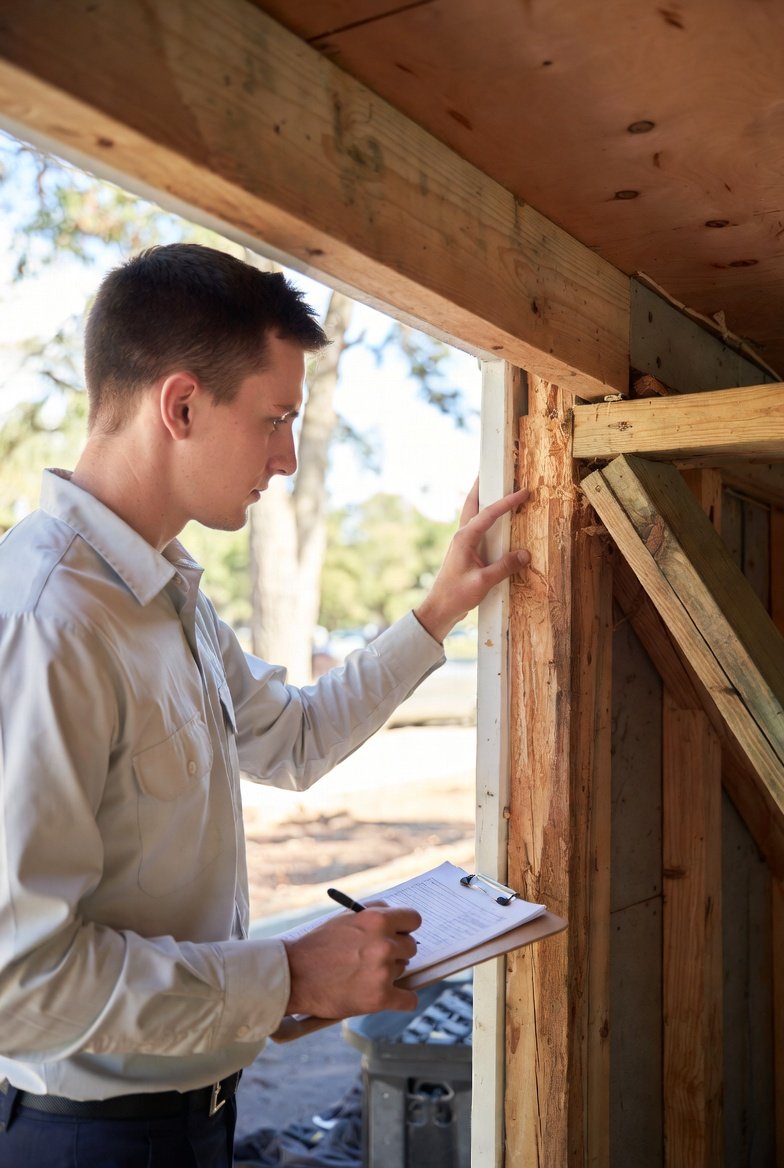
For example, some homeowners start with a free inspection to evaluate potential termite risk before committing to a long-term plan. A detailed explanation of how these inspections work is available here:
Why Annual Plans Often Increase in Cost
Recurring service plans tend to increase gradually over time.
Common reasons include:
- automatic contract renewals
• expanded monitoring coverage
• new treatment technologies
• inflation adjustments
A plan that begins at $300 per year may exceed $500 per year after several renewals.
Reviewing prevention plans periodically helps homeowners ensure the service still provides value.
Annual Treatment vs Termite Prevention Marketing
Many pest control companies advertise annual plans as complete termite prevention.
In reality, prevention systems are probabilistic.
They improve detection and reduce infestation risk, but no system guarantees termites will never occur.
Understanding this distinction helps homeowners evaluate prevention plans more realistically.
What to Review Before Signing an Annual Plan
Before committing to recurring termite treatment, homeowners should review several important details.
Ask the provider:
- how often inspections occur
• what events trigger retreatment
• what structural damage is excluded
• how cancellation and renewal terms work
Clear contract terms prevent long-term misunderstandings.
Annual Treatment and Home Resale
Annual termite prevention plans may help document ongoing home maintenance.
However, buyers usually still require independent termite inspections during real estate transactions, regardless of previous prevention plans.
Coverage may also not automatically transfer to new homeowners.
How to Decide Without Overcommitting
A practical decision approach usually involves:
- starting with a thorough termite inspection
- evaluating regional termite pressure
- comparing prevention costs against potential repair risk
- reassessing the plan every few years
Annual termite treatment should be a deliberate risk decision rather than an automatic subscription.
Bottom Line
Annual termite treatment cost reflects long-term risk management rather than guaranteed protection.
For homes in high termite risk areas, recurring prevention plans may provide useful monitoring and early detection.
For other homes, periodic inspections may provide similar protection without recurring expenses.
The true value of annual termite treatment depends on risk level, region, and informed decision-making — not marketing promises.