
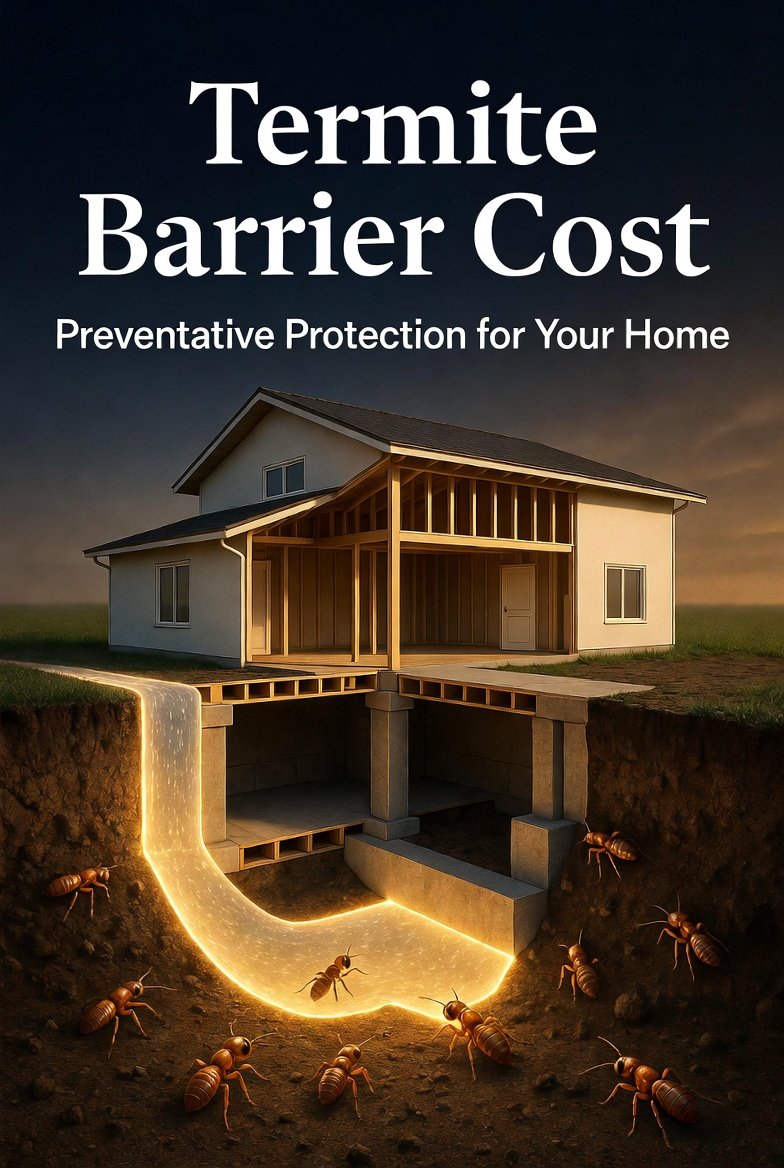
Termite Barrier Cost: What You’re Paying For — and What It Actually Prevents
A termite barrier is one of the few termite prevention decisions that asks homeowners to spend a significant amount of money before anything has gone wrong.
That makes the decision uncomfortable.
Unlike termite treatment, which responds to an active problem, installing a barrier is a preventative investment. The real question is not simply what a termite barrier costs. The real question is whether the structure, soil conditions, and ownership timeline justify paying that cost upfront.
For some homes, a termite barrier becomes a rational structural upgrade that reduces long-term uncertainty. For others, it becomes an expensive layer of protection that still requires inspection and monitoring.
Understanding how termite barrier cost works, what barriers actually do, and how they fit into long-term termite prevention helps homeowners make better decisions.
Quick Answer
Most termite barrier installations cost $1,500–$4,500+ depending on barrier type, foundation layout, and installation access.
Pre-construction barriers installed during building are usually less expensive. Retrofit barriers installed on existing homes often cost more because trenching, drilling, and soil access are more complicated.
Barrier cost is largely driven by labor, perimeter length, and installation precision, not just the barrier materials themselves.
What a Termite Barrier Actually Is
A termite barrier is a preventative system designed to interrupt termite entry paths between soil and structural wood.
Subterranean termites live underground and travel through soil to reach a structure. Barriers attempt to disrupt those travel paths.
Two primary barrier types are used:
- Chemical termite barriers
• Physical termite barriers
Both approaches aim to reduce the probability that termites can move from soil into a structure.
However, a barrier is not a guarantee.
A barrier reduces risk. It does not eliminate termites permanently.
Termites can still enter through new breaches, structural changes, or areas where barriers are incomplete.
Typical Termite Barrier Cost
Barrier installation costs vary widely depending on the installation type and the structure itself.
Barrier Type | Typical Cost Range | Best Use Case |
Chemical soil barrier | $1,500 – $3,500 | Existing homes |
Physical mesh barrier | $2,000 – $5,000+ | New construction |
Hybrid prevention system | $2,500 – $6,000+ | High-risk properties |
Costs rise for:
- larger homes
• complex foundations
• restricted soil access
• extensive drilling or trenching requirements
Barrier installation is typically a one-time cost, unlike annual termite protection plans.
For homeowners comparing barrier prevention with treatment costs, a detailed treatment breakdown is available here:
Why Termite Barrier Cost Varies So Much
Unlike many pest control services, termite barrier installation behaves more like a construction project.
Cost differences are driven primarily by site conditions.
Foundation Design
The perimeter length of the structure determines how much soil must be treated or protected.
Homes with complex layouts, additions, or multiple foundation levels usually cost more.
Soil Conditions
Clay, sandy soil, or high-moisture environments affect installation difficulty and barrier longevity.
Access Limitations
Landscaping, patios, decks, and concrete surfaces may require drilling or partial removal to install a continuous barrier.
Even two homes of similar size can have dramatically different barrier costs depending on these factors.
Chemical Termite Barrier Cost Explained
Chemical barriers use termiticides applied to soil around the structure.
The goal is to create a continuous treated zone termites cannot easily cross.
Installation usually involves:
- trenching along the foundation perimeter
• injecting termiticide into soil
• drilling through concrete where necessary
Costs are influenced by:
- linear footage treated
• drilling requirements
• product concentration
• soil absorption conditions
The effectiveness of chemical barriers depends heavily on continuous coverage. Even small gaps can reduce performance.
Physical Termite Barrier Cost Explained
Physical barriers rely on materials termites cannot penetrate.
Examples include:
- stainless steel mesh systems
• graded sand barriers
• composite membranes
These barriers create mechanical separation between soil and structure rather than chemical protection.
Physical barriers often cost more upfront but do not rely on chemical longevity.
They are most commonly installed during construction, where access to foundations and soil layers is easier.
Pre-Construction vs Retrofit Barrier Cost
Barrier installation is significantly easier during construction.
Installation Type | Typical Cost | Why Cost Changes |
Pre-construction barrier | lower | access before slab or foundation completion |
Retrofit barrier | higher | drilling, trenching, and soil access limitations |
Once a structure is completed, installing a barrier often requires more labor and equipment.
That difference explains why termite barriers are common in new construction projects but less common for existing homes.
The Long-Term Cost Comparison
Many homeowners compare barrier installation with annual termite prevention plans.
Example comparison:
Barrier installation cost: $3,000 one-time
Annual prevention plan: $400 per year
10-year annual plan cost: $4,000
In this scenario, the barrier becomes less expensive over time if the homeowner plans to remain in the property long term.
However, annual plans provide ongoing monitoring, which barriers alone do not.
A full breakdown of recurring prevention plans can be reviewed here:
What Termite Barriers Actually Protect Against
Barriers are designed primarily to stop subterranean termite entry through soil contact zones.
They are most effective at protecting:
- foundation perimeters
• slab penetration points
• structural wood in contact with soil
However, barriers do not protect against:
- termites entering above the barrier zone
• wood-to-ground contact outside the barrier
• structural modifications that breach the barrier
• termites already inside the structure
Because of these limitations, barriers work best when combined with inspection and monitoring.
How Termite Barriers Can Fail
Barriers are not permanent.
Common causes of barrier failure include:
- soil movement or erosion
• landscaping changes
• foundation repairs or additions
• plumbing or utility penetrations
• incomplete installation
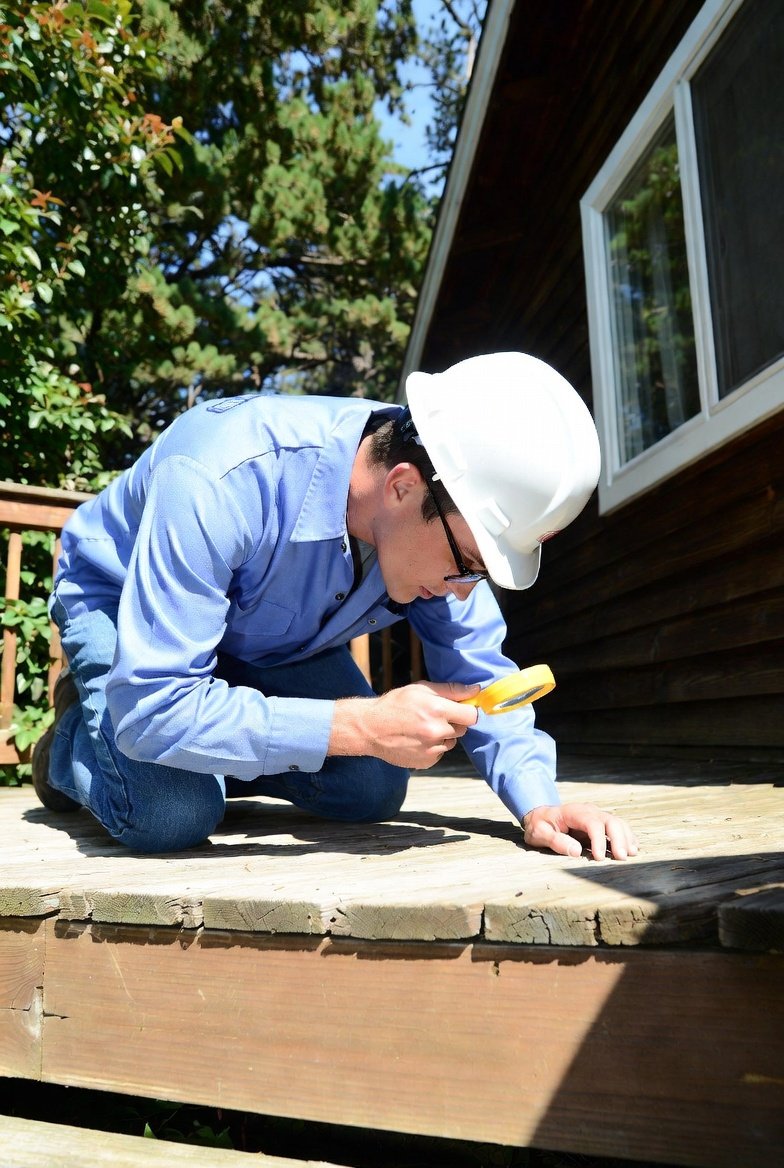
These risks explain why termite inspections remain important even after a barrier is installed.
A full overview of inspection processes can be found here:
Example Barrier Installation Scenario
Consider a homeowner in a high termite pressure region.
The property has a slab foundation and long-term ownership is expected.
A chemical perimeter barrier is installed during exterior drainage work.
Barrier installation cost: $2,800
Because the barrier is installed during other excavation work, installation costs are lower.
In this situation, the barrier provides long-term structural protection at a cost comparable to several years of annual prevention plans.
However, homeowners planning short ownership periods may not benefit from such upfront investment.
When Termite Barrier Cost Makes Sense
Barrier installation is often justified when:
- the home is new or undergoing major renovation
• termite pressure is consistently high
• long-term ownership is expected
• prevention cost is lower than potential repair exposure
In these cases, barrier cost behaves like a structural upgrade rather than a pest control service.
When Termite Barriers Are Often Overkill
Barriers may not be necessary when:
- the home has strong previous termite treatment history
• installation access is extremely limited
• periodic inspections already provide clear monitoring
In such cases, homeowners sometimes rely on inspection-based prevention instead of structural barriers.
Inspection costs and inspection strategies can be reviewed here:
Why Termite Barrier Marketing Can Be Misleading
Barrier marketing often emphasizes permanence.
Common claims include:
- “Stops termites forever”
• “One-time installation solution”
• “No future termite risk”
In reality, barriers reduce entry probability but do not eliminate termites permanently.
Termite prevention always works best when multiple layers of protection are used.
Barrier vs Treatment vs Monitoring
Effective termite prevention usually combines several strategies.
Barrier systems reduce entry probability.
Treatments eliminate active infestations.
Monitoring and inspections maintain visibility over time.
No single method replaces the others.
What Termite Barriers Do Not Replace
Even with a barrier installed, homeowners must still manage basic structural conditions.
Barriers do not replace:
- moisture management
• proper drainage
• wood maintenance
• periodic inspections
Termite prevention is most effective when structural maintenance and monitoring are combined with prevention systems.
Bottom Line
Termite barrier cost reflects upfront prevention economics, not permanent immunity from termites.
For some homes, barriers reduce uncertainty and provide valuable long-term protection.
For others, they introduce a high upfront expense without proportional benefit.
The true value of a termite barrier depends on construction design, soil conditions, ownership timeline, and ongoing inspection discipline.
Barrier installation should be a deliberate structural decision — not a response to marketing promises.