
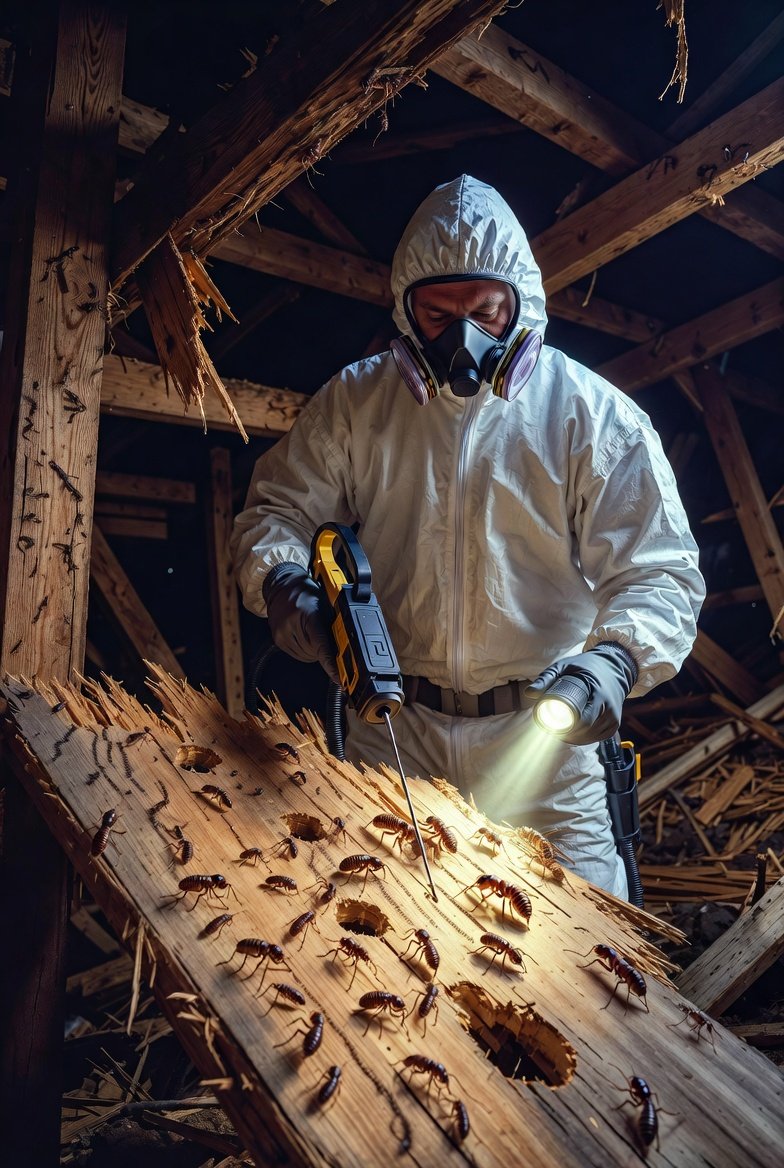
Termite Extermination Cost: What It Really Takes to Eliminate an Active Infestation
When Termites Are Active, The Cost Conversation Changes
Many homeowners search for termite extermination cost after they have already seen warning signs.
Maybe mud tubes appeared along the foundation.
Maybe swarmers showed up near windows.
Or maybe an inspection revealed activity inside structural framing.
At that moment the goal usually shifts from prevention to elimination.
That shift is important because extermination is not simply routine termite treatment. It typically involves stronger intervention, broader coverage, and higher certainty that the infestation will be eliminated.
Because of this, extermination quotes often look higher than homeowners expect.
Understanding how extermination pricing works helps you determine whether the recommendation truly matches the problem.
Termite Extermination Cost at a Glance
Termite extermination pricing varies depending on infestation severity, termite species, and treatment method.
Typical cost ranges across the United States look like this.
Extermination Method | Typical Cost Range | Coverage |
Aggressive spot extermination | $300 – $2,500 | Localized infestations |
Liquid barrier extermination | $3 – $16 per linear foot | Subterranean termite colonies |
Bait station extermination | $1,000 – $3,000 + monitoring | Colony elimination |
Whole-structure fumigation | $2,000 – $8,000 | Drywood termite infestations |
These ranges are general estimates. The exact cost depends on the inspection findings and treatment scope.
If termites have not yet been confirmed, the first step is usually a professional inspection.
Inspection vs Treatment vs Extermination vs Repair Costs
Homeowners often mix several different termite-related expenses together.
Separating them helps clarify where extermination fits.
Service Type | Typical Cost Range | Purpose |
Termite inspection | $0 – $300 | Identify termite activity |
Termite treatment | $250 – $3,000 | Manage or prevent infestations |
Termite extermination | $1,000 – $8,000 | Eliminate active colonies |
Termite damage repair | $500 – $10,000+ | Repair structural damage |
Inspection identifies the problem.
Treatment manages termite risk.
Extermination targets active infestations with higher certainty.
Repairs address structural damage after termites are eliminated.
Understanding these differences prevents confusion when comparing quotes.
Extermination vs Treatment: Why the Price Changes
The terms “treatment” and “extermination” are sometimes used interchangeably, but in practice they often represent different goals.
Treatment may include:
- preventive barrier applications
- early infestation control
- monitoring systems
Extermination usually means:
- confirmed termite activity
- aggressive elimination methods
- broader coverage to reduce hidden colonies
Because extermination focuses on eliminating an existing infestation, the cost usually reflects greater labor, materials, and verification steps.
Termite Species Strongly Influence Extermination Cost
The termite species involved changes both the treatment method and the price.
Subterranean Termite Extermination
Subterranean termites live in soil and access homes through foundations.
They commonly build mud tubes to travel between soil and wooden structures.
Extermination methods usually include:
- liquid soil barriers
- trench-and-treat systems
- bait station installations
Because treatment occurs around the entire foundation, pricing is often calculated by linear footage rather than home size.
Drywood Termite Extermination
Drywood termites live directly inside wooden framing.
They do not require soil contact, which makes infestations harder to locate.
Signs of drywood termite activity often include:
- swarmers emerging indoors
- small kick-out holes in wood
- pellet-like frass near baseboards
Extermination methods may include:
- localized wood treatment
- heat treatment
- whole-structure fumigation (tenting)
Because drywood colonies can spread throughout walls and beams, extermination costs may increase when the infestation scope is uncertain.
Risk Conditions That Lead to Extermination-Level Treatment
Pest inspectors evaluate several structural conditions when determining whether extermination is necessary.
Risk Condition | Why It Matters |
Soil-to-wood contact | Provides direct termite access |
Excess moisture around foundation | Encourages termite colony growth |
Multiple infestation zones | Suggests widespread activity |
Previous treatment failure | Indicates surviving colonies |
Hidden structural cavities | Makes localized treatment unreliable |
Homes with several of these conditions are more likely to require extermination rather than simple treatment.
What a Professional Extermination Quote Usually Includes
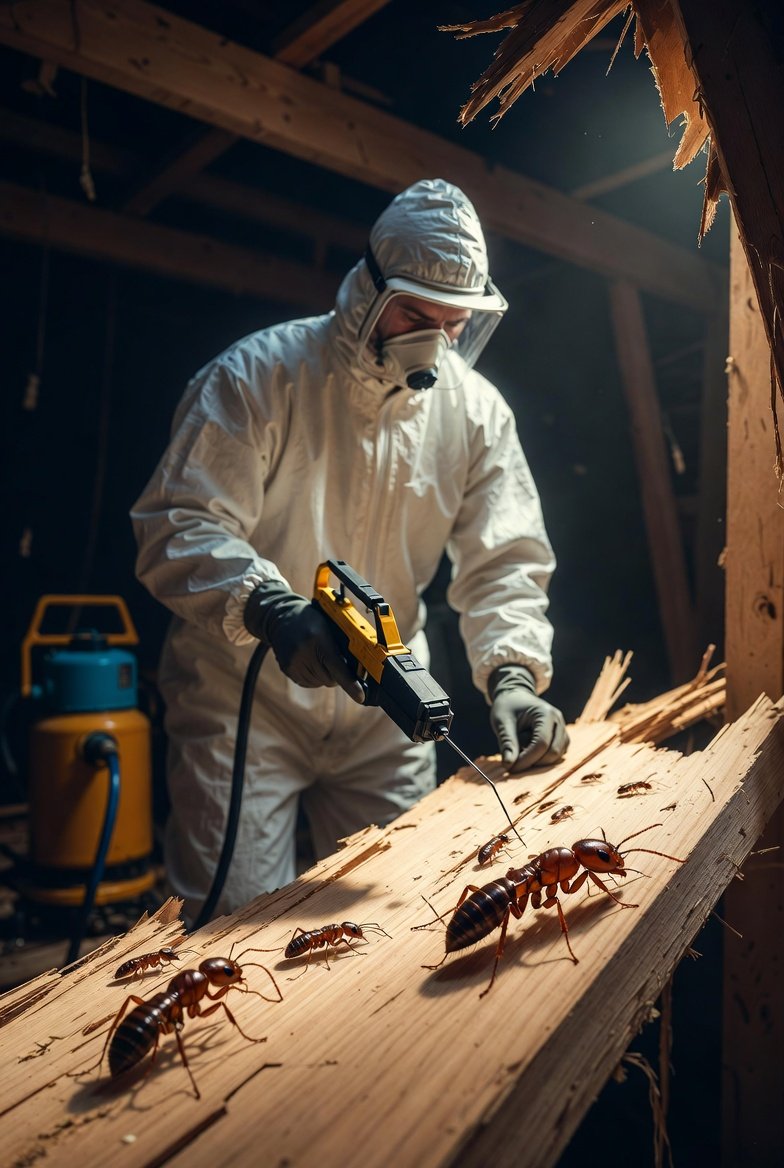
A reputable extermination proposal typically outlines several components.
These may include:
- termite species identification
- treatment method explanation
- areas included in treatment
- chemicals or equipment used
- safety procedures and compliance
- follow-up inspection window
- retreatment warranty terms
A quote that lacks this information should be reviewed carefully before signing.
Costs That May Not Be Included in the Quote
Termite extermination estimates sometimes exclude related expenses.
Homeowners may also encounter:
- temporary relocation during fumigation
- food storage preparation
- wood repairs after termite damage
- crawl space access work
- moisture correction improvements
Understanding these potential costs helps avoid surprises later.
Real-World Extermination Cost Scenarios
Real inspections often lead to very different extermination strategies.
Scenario 1 — Subterranean Termites at the Foundation
Inspection reveals mud tubes along the foundation.
A full perimeter liquid barrier treatment is recommended.
Typical cost range: $1,200 – $2,500 depending on foundation size.
Scenario 2 — Drywood Termites Across Multiple Rooms
Activity is detected in several walls.
Because colony spread cannot be isolated, fumigation is recommended.
Typical cost range: $3,000 – $6,000.
More detail here:
Scenario 3 — Localized Infestation During Renovation
Termites are discovered in exposed framing.
Aggressive localized extermination with follow-up inspection is sufficient.
Typical cost range: $400 – $900.
Before Accepting an Extermination Quote, Ask These Questions
Price alone does not reveal the quality of a termite extermination plan.
Confirm these details first:
- Which termite species was identified
- Why extermination is recommended instead of treatment
- Which areas will be treated
- What areas are excluded
- How success will be verified
- What retreatment warranties apply
- Whether monitoring is included
These answers matter more than the number on the quote.
Bottom Line
Termite extermination cost reflects the effort required to eliminate an active infestation with confidence.
The right extermination plan balances three things:
- infestation severity
- treatment scope
- acceptable risk level
When these factors align, extermination provides both clarity and long-term protection.