
Termite Inspection: What It Really Tells You (and What It Doesn’t)
What a Termite Inspection Actually Is
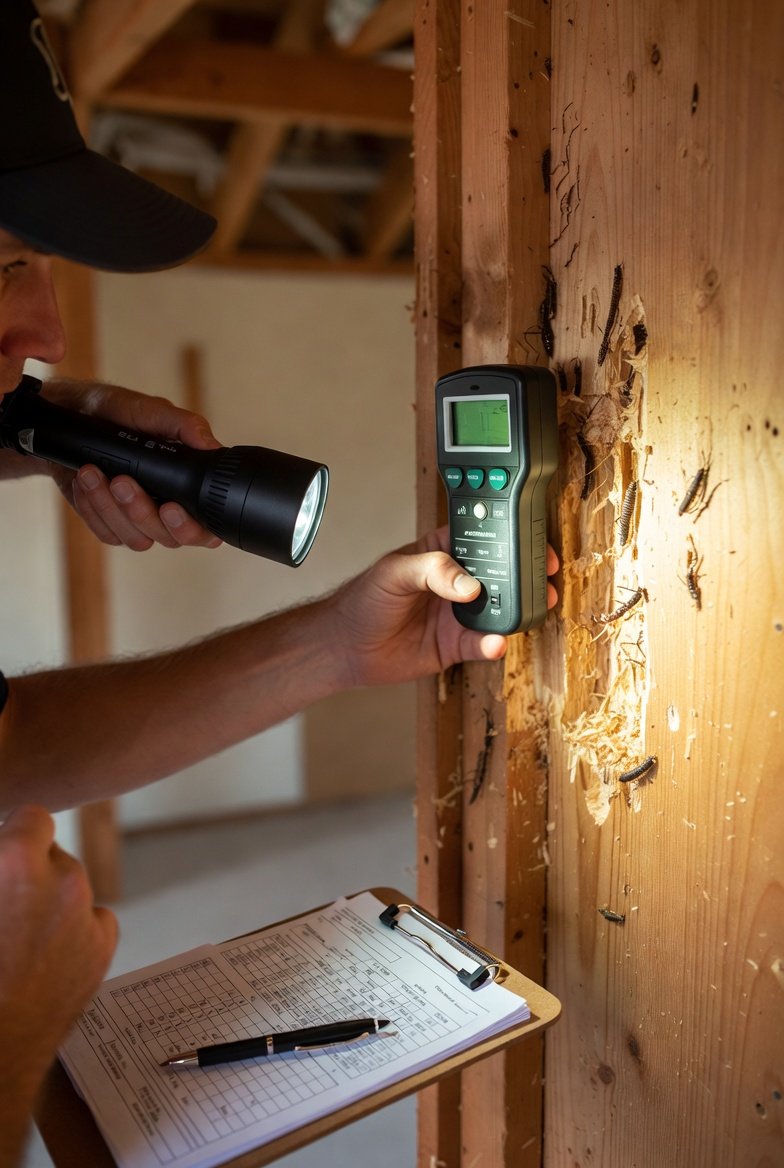
A termite inspection is a professional visual evaluation of a structure designed to identify signs of termite activity, past damage, and environmental conditions that increase infestation risk.
Inspectors examine accessible areas of a property to detect evidence such as mud tubes, damaged wood, termite wings, and moisture conditions that allow termites to thrive.
The goal is not to guarantee that termites are absent.
Instead, inspections reduce uncertainty by documenting visible evidence and risk factors so homeowners can make informed decisions about monitoring, treatment, or prevention.
Quick Snapshot: Termite Inspection Basics
Question | Typical Answer |
What is it? | A visual inspection of accessible areas for termite activity |
What do inspectors look for? | Mud tubes, damaged wood, wings, moisture conditions |
How long does it take? | Usually 45–90 minutes |
What does it cost? | About $75–$325 depending on property size and region |
Does it guarantee termite-free property? | No — hidden infestations may still exist |
Understanding these limits is essential for interpreting inspection reports correctly.
Types of Termite Inspections
Several inspection types exist depending on the purpose of the evaluation.
WDI Inspection (Wood Destroying Insect Report)
In real estate transactions, inspectors often complete a Wood Destroying Insect (WDI) report, which documents termite activity, damage, and inaccessible areas.
These reports are commonly required during home purchases.
Routine Homeowner Inspection
Homeowners often schedule periodic inspections to detect infestations early and reduce structural damage risk.
Follow-Up Inspection After Treatment
After termite treatment, inspectors may return to verify that colony activity has stopped.
For buyers, inspections are often connected to property transactions:
termite-inspection-for-home-purchase
Termite Inspection vs Home Inspection
Many homeowners assume termite inspections are included in general home inspections.
However, these evaluations serve different purposes.
A home inspection evaluates major systems such as:
- roofing
• plumbing
• electrical systems
• HVAC equipment
A termite inspection focuses specifically on wood-destroying insects and structural damage risks.
Home inspectors may notice termite damage but usually recommend a specialized termite inspection for confirmation.
Typical Termite Inspection Checklist
Professional inspectors follow a structured checklist to identify potential infestation areas.
Common inspection points include:
- foundation walls and slab edges
• crawl space framing and joists
• attic wood structures
• baseboards and door frames
• plumbing penetrations through foundations
• expansion joints in concrete slabs
• exterior wood structures such as decks and fences
These locations often reveal early termite activity or risk conditions.
Signs Homeowners Often Notice Before an Inspection
Many inspections begin after homeowners notice unusual signs around the property.
Common warning signs include:
- mud tubes along foundations
• piles of small wings near windows
• hollow-sounding wood
• bubbling or blistering paint
• soft or damaged trim
One of the most common signs is the appearance of termite swarmers, which are winged termites that leave established colonies to start new nests.
Seeing swarmers indoors often signals an existing colony nearby.
What Inspectors Look For During an Inspection
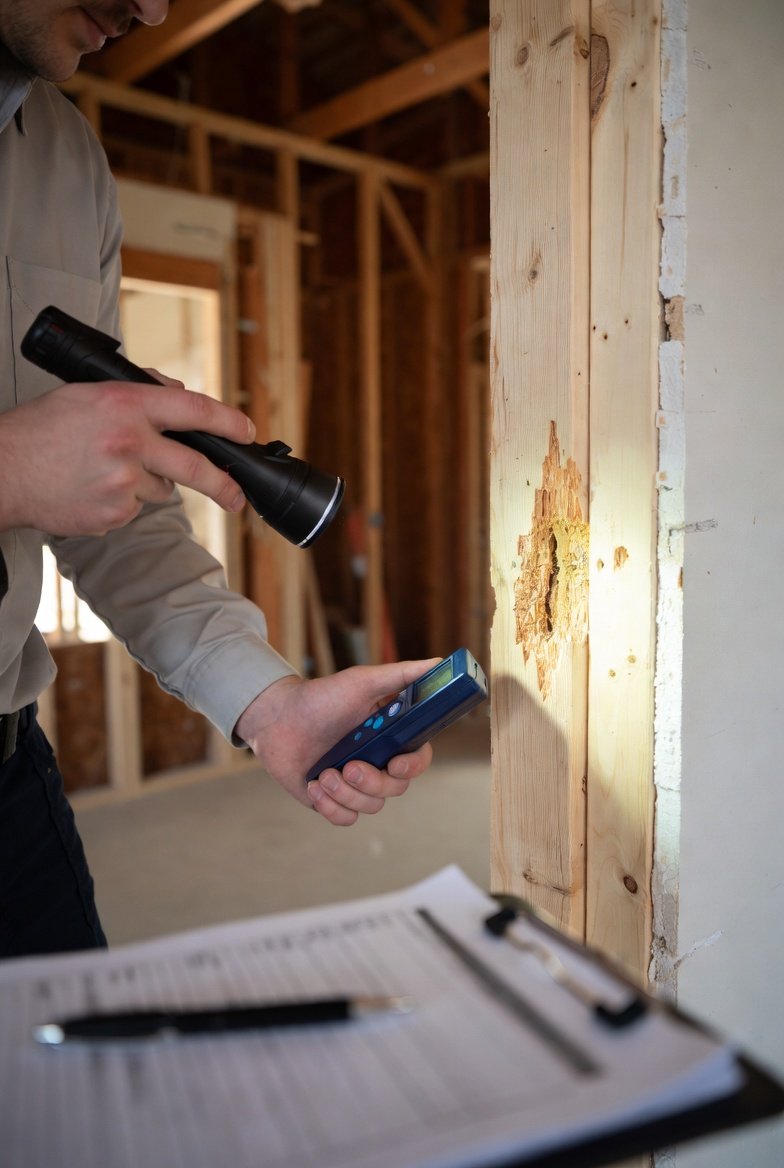
Professional inspectors look for specific indicators of termite activity.
Mud Tubes
Subterranean termites build mud tubes along foundations and walls to travel safely between soil and wood while retaining moisture.
These tubes are among the most reliable visual signs of termite activity.
Wood Damage
Termites consume wood from the inside, leaving hollow or weakened structures behind.
Inspectors probe suspicious wood areas to identify hidden damage.
Termite Wings
Discarded wings often appear near windows or light sources after termite swarming events.
Frass and Droppings
Termite droppings may accumulate near damaged wood, providing another evidence source.
Most inspections primarily focus on subterranean termites, which cause the majority of structural termite infestations in North America.
Risk Conditions Inspectors Evaluate
Even if termites are not present, inspectors evaluate environmental conditions that increase infestation risk.
Soil-to-Wood Contact
When wood siding or framing touches soil, termites gain direct access to the structure.
Moisture Conditions
Termites thrive in damp environments.
Excess moisture around foundations, crawl spaces, or plumbing areas significantly increases infestation risk.
Poor Drainage
Standing water near foundations often creates favorable termite environments.
Inspectors document these conditions so homeowners can correct them before infestations develop.
What a Termite Inspection Report Includes
A termite inspection report documents all findings observed during the evaluation.
Typical report sections include:
Section | Explanation |
Areas inspected | Locations accessible to the inspector |
Inaccessible areas | Areas blocked by storage or construction |
Evidence of active infestation | Signs of current termite activity |
Evidence of previous damage | Structural damage from earlier infestations |
Conducive conditions | Moisture or structural risks |
Recommendations | Monitoring, treatment, or additional evaluation |
Many inspection standards follow guidelines developed by the National Pest Management Association (NPMA) for wood-destroying insect inspections.
More detail about inspection reports can be found here:
termite-inspection-report-explained
What a Termite Inspection Cannot Detect
Even thorough inspections have limitations.
Termite inspections cannot:
- see inside walls
• detect termites beneath concrete slabs
• confirm the full extent of hidden structural damage
• predict future infestations
Because inspections rely on visible evidence, hidden termite colonies may remain undetected until damage becomes visible.
How Much a Termite Inspection Costs
Inspection costs vary depending on property size and inspection purpose.
Inspection Type | Typical Price |
Basic inspection | $75–$150 |
Detailed inspection report | $150–$325 |
Real estate transaction inspection | Often included in closing |
Free inspection | Often offered by pest control companies |
Free inspections usually occur within a treatment-service model.
More explanation here:
How Long a Termite Inspection Takes
Most termite inspections take 45 to 90 minutes.
Inspection duration depends on:
- home size
• crawl space accessibility
• attic access
• visible termite damage
• documentation requirements
Full explanation here:
how-long-does-a-termite-inspection-take
Termite Inspection Decision Map
Inspection findings usually fall into one of four outcomes.
Inspection Result | Meaning | Recommended Action |
No visible activity | No termites observed | Schedule periodic monitoring |
Past damage found | Previous infestation | Repair damage and monitor |
Active termites found | Current colony present | Immediate treatment required |
Limited inspection access | Areas not visible | Re-inspection recommended |
If active termites are discovered, treatment options and costs are explained here:
How Often Termite Inspections Should Be Done
In termite-active regions, pest professionals commonly recommend annual termite inspections.
Homes with previous termite problems may require more frequent monitoring.
Routine inspections help identify infestations early before structural damage becomes severe.
Bottom Line
A termite inspection is a structured evaluation designed to identify termite activity, damage, and environmental risk factors.
It does not guarantee that termites are absent, but it provides valuable insight into the condition of a property.
When used correctly, termite inspections help homeowners decide whether treatment, monitoring, or prevention steps are needed.
Understanding both what inspections reveal and what they cannot detect allows homeowners to interpret results realistically and make better decisions about protecting their property.