
No-Tent Termite Treatment Cost — What It Costs, What It Misses, and When It Makes Sense
Why Homeowners Look for No-Tent Termite Treatment
Searching for no-tent termite treatment cost usually means one thing: you want to deal with termites without evacuating your home and without paying for full tenting.
That instinct is completely reasonable.
Tenting requires:
- leaving the home for multiple days
• preparing food and belongings
• managing pets and temporary housing
However, this is also where many homeowners unknowingly accept risks they did not intend to take.
Localized termite treatment reduces disruption—but it also reduces certainty.
This page explains what no-tent termite treatment costs, when it works, and when it quietly fails, so the trade-off is understood before money is spent twice.
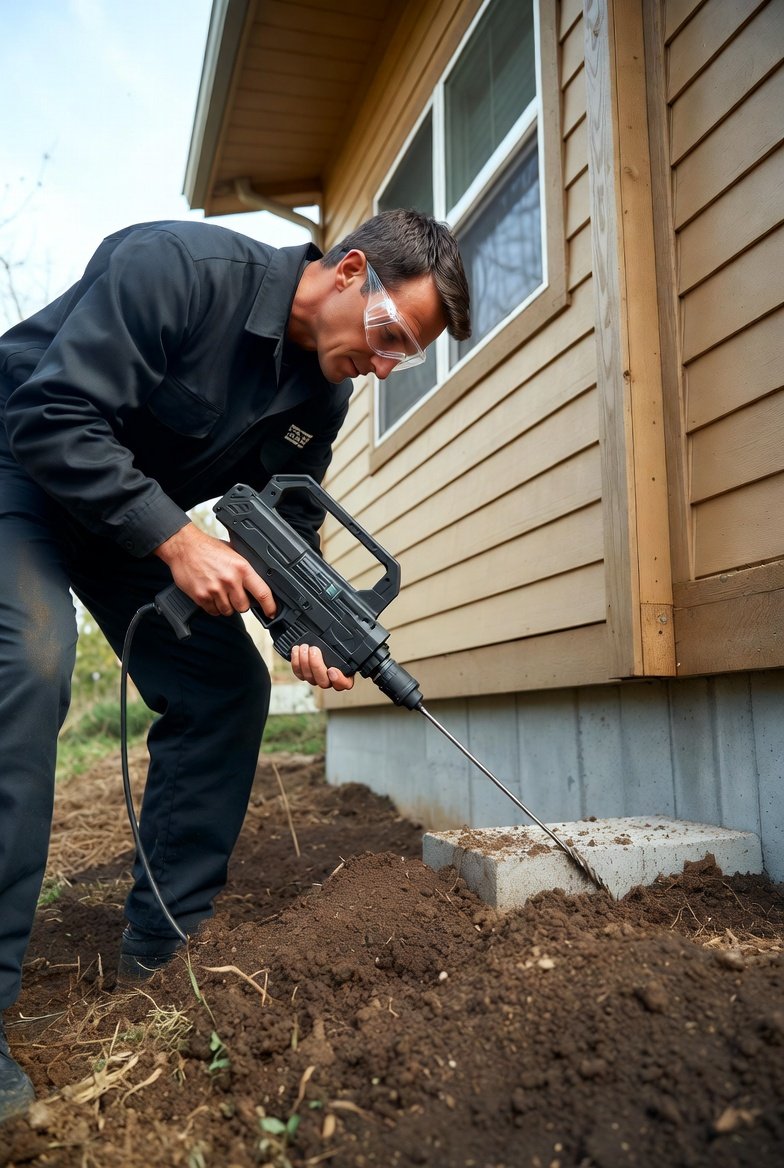
Most treatment decisions begin with a professional inspection that identifies termite type and activity zones.
What “No-Tent Termite Treatment” Actually Means
No-tent termite treatment refers to localized or targeted treatments applied to specific areas of termite activity.
Unlike whole-home fumigation, these treatments focus only on known or suspected infestation zones.
Homeowners remain in the house, and the structure is not sealed.
Common no-tent treatment methods include:
- liquid or foam spot treatments
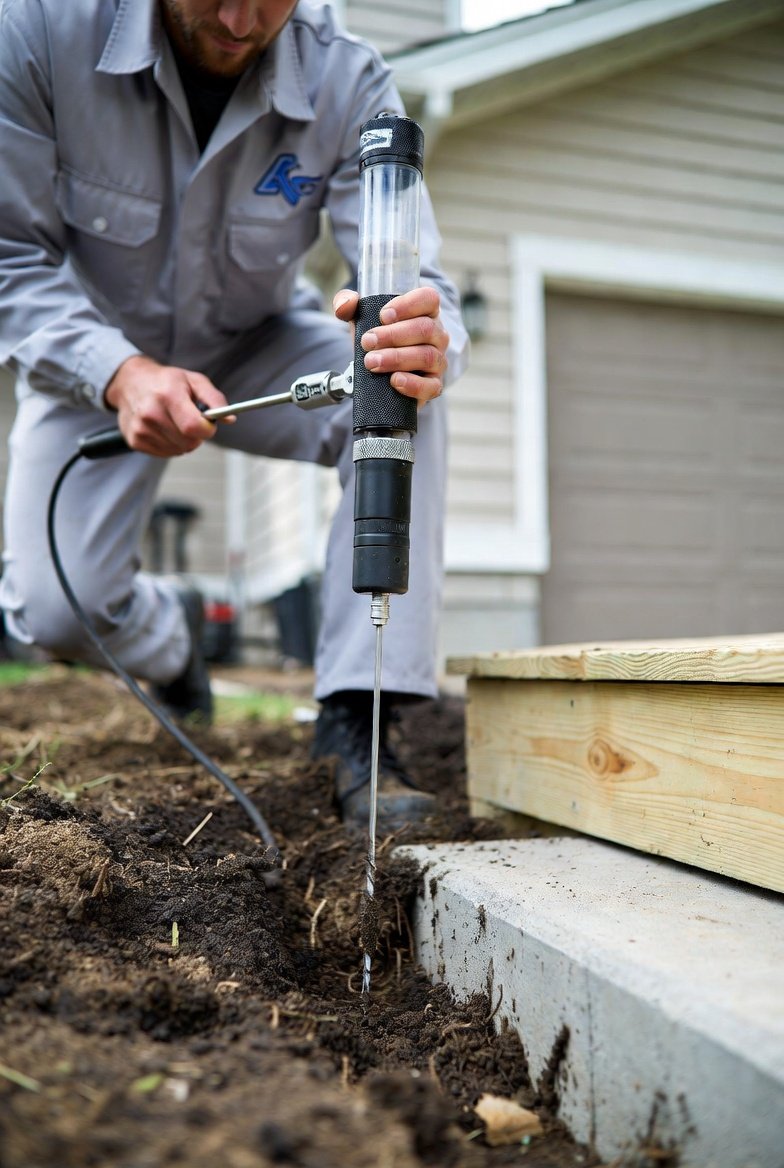
• wood injection treatments
• localized heat treatments
• borate surface treatments
• barrier systems (for certain termite types)
All of these approaches share one important limitation.
They treat where termites are detected, not every place they might be hiding.
No-Tent Termite Treatment Cost
Most localized termite treatments fall between $500 and $3,000, depending on scope and accessibility.
The lower end typically involves treating a single visible infestation area.
The higher end usually means multiple treatment zones or more complex access conditions.
Cost by Treatment Scope
Treatment Scope | Typical Cost |
Single localized infestation | $500 – $900 |
Multiple treatment zones | $900 – $1,800 |
Extensive localized treatment | $1,800 – $3,000 |
This range assumes that:
- activity is limited
• treatment areas are accessible
• follow-up inspections monitor success
If those assumptions prove wrong, repeat treatments can push total costs beyond fumigation.
Why Termite Type Matters
One of the biggest factors in whether no-tent treatment works is termite species.
Different termites behave differently inside structures.
Termite Type vs Treatment Success
Termite Type | No-Tent Treatment Success |
Drywood termites | Often effective if infestation is localized |
Subterranean termites | Usually requires soil barriers |
Widespread infestations | Often require whole-structure fumigation |
Drywood termites live directly inside wood structures and can sometimes be treated locally if colonies are limited.
Subterranean termites often travel through soil and hidden structural pathways, which means localized treatment may miss active colonies.
The Detection Reality Most Homeowners Miss
Termites rarely stay in one visible place.
Colonies often spread through:
- wall voids
• framing cavities
• attic wood members
• crawlspace beams
A technician may treat the area where activity is visible, but hidden sections of the colony can remain undetected.
This is the primary reason localized treatments sometimes fail.
No-tent treatment relies on confidence about where termites are not, not just where they are found.
Main Cost Drivers for No-Tent Treatment
Several factors influence the price of localized termite treatment.
Number of Treatment Zones
No-tent pricing is usually based on the number of areas requiring treatment.
Treating one wall cavity costs much less than treating several separate areas.
Accessibility
Exposed framing is easy to treat.
Finished walls, crawlspaces, or obstructed areas increase labor.
Treatment Method
Different methods involve different labor and materials.
Foam injection, heat treatment, and borate applications have different costs.
Inspection Confidence
Localized treatment depends heavily on inspection accuracy.
Uncertain inspection results often increase monitoring costs.
What No-Tent Treatment Usually Includes
Typical localized termite treatments include:
- treatment of identified infestation areas
• basic inspection of surrounding wood
• limited monitoring guidance
What they usually do not include:
- full-structure assurance
• repair of termite damage
• long-term prevention systems
• coverage for undiscovered colonies
Localized treatment is containment—not a structural reset.
When No-Tent Termite Treatment Works Well
Localized treatment can be a smart choice when:
- activity is early and limited
• termites are accessible
• damage is minimal
• termite species responds to targeted treatment
In these situations, avoiding tenting may be both practical and cost-effective.
When No-Tent Treatment Is Likely to Fail
Localized treatment becomes risky when:
- activity appears in multiple areas
• termites are suspected in hidden structural spaces
• prior spot treatments failed
• certainty is required for a real-estate sale
In these cases, whole-structure fumigation becomes the more reliable solution.
How Long No-Tent Treatment Takes
Most localized treatments are completed during a single service visit.
However, the timeline of success is determined by monitoring.
Typical Treatment Timeline
Step | Time |
Inspection | 1–2 hours |
Treatment | 1–4 hours |
Follow-up inspection | 30–90 days |
Follow-up inspections confirm whether termite activity has stopped.
Can Multiple No-Tent Treatments Replace Tenting
Sometimes—but only under certain conditions.
Multiple localized treatments can work when:
- termite activity remains confined
• inspections confirm no spread
• monitoring catches early resurgence
If activity repeatedly resurfaces in new locations, tenting becomes the more reliable option.
Prevention After Localized Treatment
Preventing reinfestation is critical after localized termite treatment.
Common prevention measures include:
- periodic inspections
• soil barrier systems
• moisture control around foundations
• removal of wood-to-soil contact
Ongoing monitoring plans are often discussed here:
The Trade-Off Most Homeowners Miss
No-tent treatment trades certainty for convenience.
You save money and avoid leaving the house.
But you accept the possibility that hidden colonies remain.
Whole-home fumigation flips the equation.
Higher disruption and higher cost—but much greater certainty in a single treatment.
Bottom Line
No-tent termite treatment costs less upfront because it treats less of the structure.
When termite activity is localized and accessible, that trade-off can make sense.
When infestations are hidden or widespread, avoiding tenting may increase long-term costs.
The real decision is not simply about price.
It is about how much uncertainty you are willing to accept in exchange for convenience.