
House Fumigation Cost: What You’re Paying For (and When You Shouldn’t Pay for It at All)
When House Fumigation Becomes the Question
House fumigation rarely starts as a routine maintenance decision.
It usually appears when uncertainty becomes expensive—after a pest inspection report, repeated termite activity, or during a home sale where “probably fine” is not acceptable.
At that point the decision changes.
Instead of asking “what is the cheapest treatment?”, homeowners start asking “what eliminates enough risk that I don’t have to guess anymore?”
Whole-structure fumigation is often the answer when pest activity may exist in areas that cannot be safely inspected or treated individually.
Most situations begin with a professional inspection confirming the problem.
First: What “House Fumigation” Actually Means
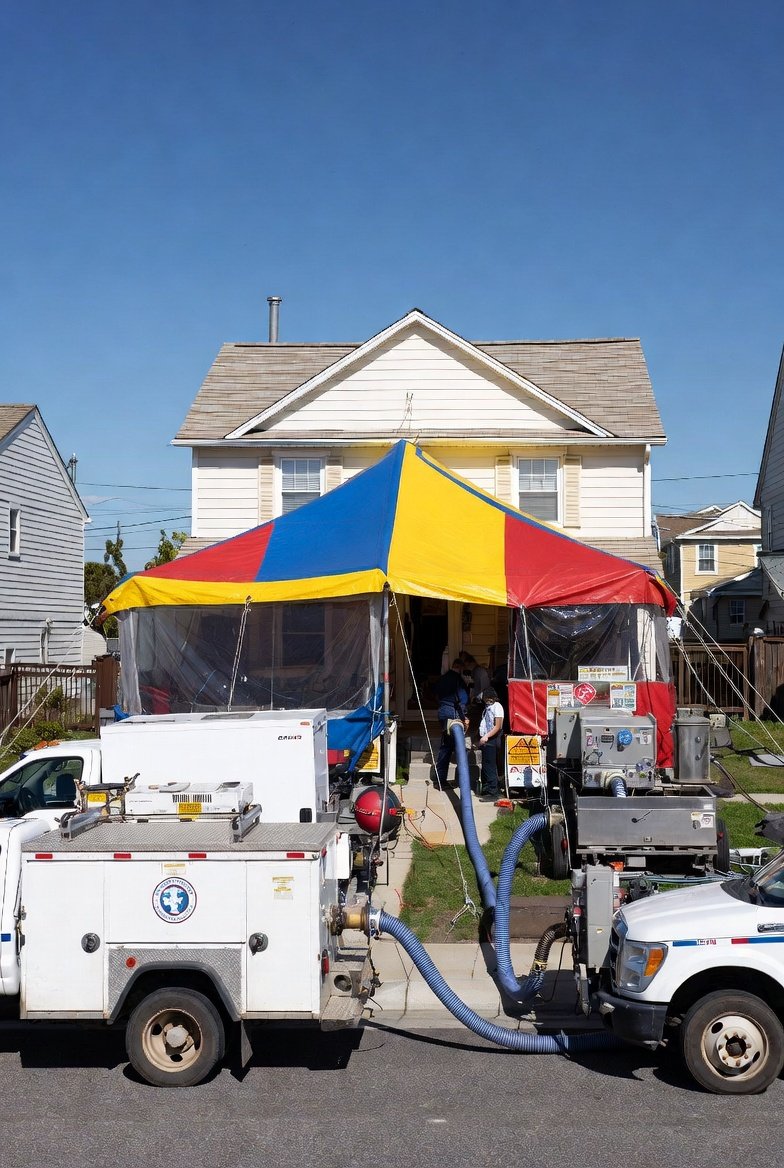
House fumigation—often performed with a tent structure—means sealing the entire building and introducing a fumigant gas designed to penetrate enclosed spaces pests can hide in.
These spaces include:
- wall cavities
• attic framing
• structural joints
• inaccessible voids
Because fumigant gas spreads through the building’s interior volume, fumigation treats the entire structure simultaneously.
That scope explains why fumigation sits at the higher end of pest-control pricing.
Homeowners are typically paying for:
- licensed fumigation crews
• specialized safety protocols
• tent installation and sealing
• monitoring equipment
• aeration and clearance testing
However, there is one boundary homeowners must understand.
Fumigation removes pests currently inside the structure.
It does not provide long-term protection by itself.
Once the gas dissipates, no protective barrier remains.
Typical House Fumigation Cost
Most whole-home fumigation quotes fall within a broad range depending on structure size and complexity.
Home Size | Typical Fumigation Cost |
Small home (1,000–1,500 sq ft) | $1,500 – $3,500 |
Medium home (1,500–2,500 sq ft) | $2,500 – $5,000 |
Large home (2,500–4,000+ sq ft) | $4,000 – $8,000+ |
These ranges are not fixed prices.
Fumigation is quote-driven, meaning structural characteristics and site conditions often influence the final estimate more than square footage alone.
Why Fumigation Is Often Used for Drywood Termites
Whole-home fumigation is most commonly recommended for drywood termites.
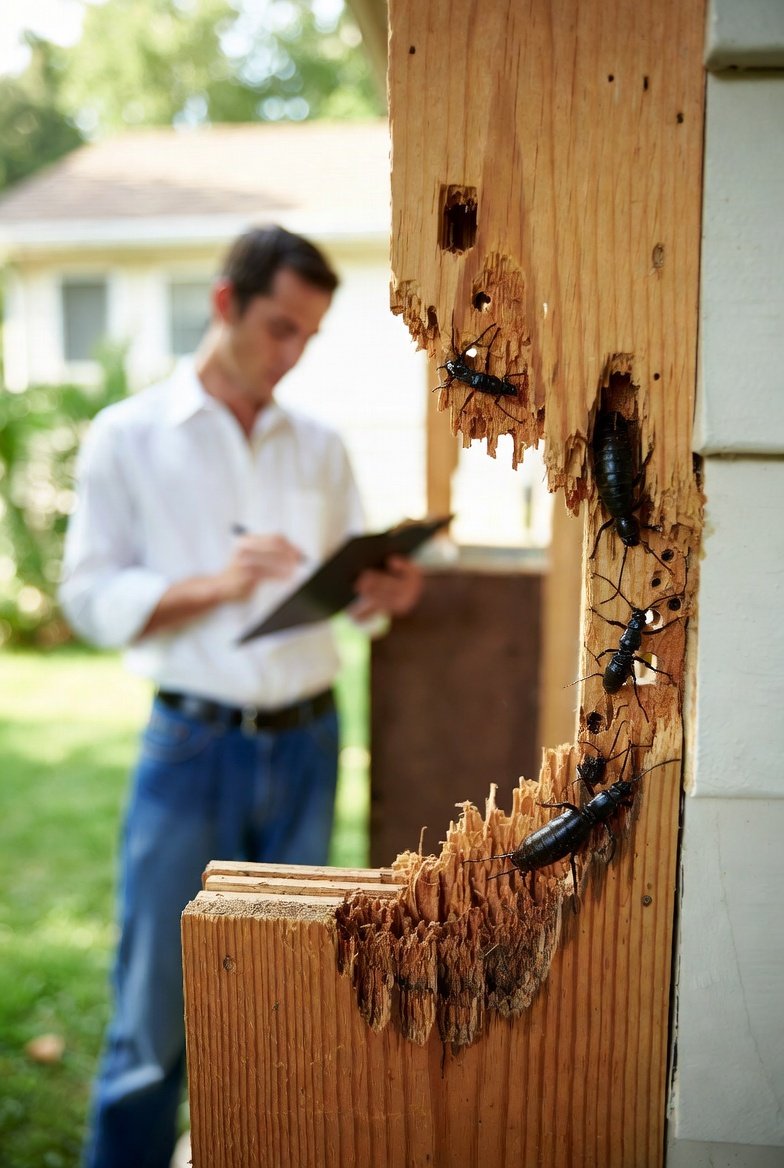
Drywood termites live directly inside the wood they consume.
They do not rely on soil contact to survive.
Because colonies can spread throughout structural wood, localized treatments sometimes fail to reach every hidden area.
Fumigation allows fumigant gas to penetrate interior wood structures where termites hide.
Subterranean termites often respond better to soil barrier treatments instead.
The Main Cost Drivers
Fumigation quotes rarely match exactly because structural conditions differ from house to house.
Interior Volume
Ceiling height and interior air volume influence how much fumigant is required.
Large open spaces and vaulted ceilings increase treatment requirements.
Roofline Complexity
Simple roof shapes are easier to seal.
Dormers, skylights, solar panels, and multiple roof angles increase labor and materials.
Access Conditions
Limited yard space, tight lot lines, or heavy landscaping may slow setup and increase labor time.
Why Fumigation Is Being Recommended
Fumigation is typically chosen when:
- termite activity appears in multiple areas
• colonies may exist inside structural voids
• prior localized treatments failed
• certainty is required for a real-estate transaction
Preparation Scope
Some providers require homeowners to complete all preparation.
Others include preparation support.
That difference often affects both price and convenience.
Scheduling Pressure
When fumigation must happen by a fixed deadline—such as before closing on a home sale—scheduling flexibility disappears.
This can increase costs.
Preparation Checklist Before Fumigation
Preparation is one of the most overlooked parts of fumigation.
Typical preparation tasks include:
- bagging food and medications
• removing pets and plants
• opening interior cabinets and drawers
• providing access to the entire structure
Improper preparation can delay fumigation or require rescheduling.
What’s Usually Included in a Fumigation Quote
Most fumigation estimates include:
- tent installation and sealing
• fumigation treatment
• aeration and ventilation
• clearance testing for safe re-entry
What most quotes do not include:
- structural repairs
• drywall or flooring restoration
• moisture correction
• termite prevention systems
• lodging or pet boarding
Fumigation eliminates pests.
It does not repair structural damage caused by them.
How Long You’ll Be Out of the House
Fumigation usually follows a predictable timeline.
Phase | What Happens |
Preparation | food bagging, site setup |
Fumigation | structure sealed and treated |
Aeration | tent removed and gas ventilated |
Clearance | safety testing before re-entry |
Most homes require one to three days away depending on size and conditions.
Hidden Costs Homeowners Often Forget
The fumigation invoice itself may not represent the full cost.
Additional expenses sometimes include:
- hotel stays
• meals during displacement
• pet boarding
• lost work time
• follow-up inspections
Preparation mistakes can also create rescheduling fees.
When House Fumigation Is Not Necessary
Whole-home fumigation may be excessive when:
- pest activity is localized
• the infestation is early
• affected areas are accessible for targeted treatment
If fumigation is recommended without explanation of why partial treatments will not work, it is reasonable to ask for clarification.
Localized treatment options are discussed here:
After Fumigation: What Actually Happens
Many homeowners expect fumigation to create permanent protection.
In reality:
- fumigation eliminates current pests
• mild odors may briefly persist
• reinfestation remains possible
Fumigation is best understood as a reset, not permanent protection.
Prevention After Fumigation
Long-term protection usually requires additional measures.
Common prevention steps include:
- periodic inspections
• soil barrier treatments
• moisture management improvements
• removal of wood-to-soil contact
Monitoring plans are explained here:
Cost-Logic Table: Why Quotes Increase
Driver | Why It Raises Cost | What to Clarify |
Large structure | more fumigant and labor | volume vs square footage |
Complex roof | longer sealing time | structures included |
Limited access | slower setup | site constraints |
Urgent timeline | reduced scheduling options | flexible date pricing |
Prep assistance | additional labor | homeowner vs provider tasks |
Prevention add-ons | separate scope | optional vs required |
This table helps homeowners understand why quotes rarely match exactly.
Bottom Line
House fumigation is expensive because it is comprehensive, regulated, and disruptive.
When pest activity is hidden or widespread, fumigation can remove uncertainty faster than any localized treatment.
When infestations are limited and accessible, fumigation may be unnecessary.
The most accurate way to view fumigation cost is this:
You are paying for certainty—eliminating pests that cannot be reliably reached any other way.